
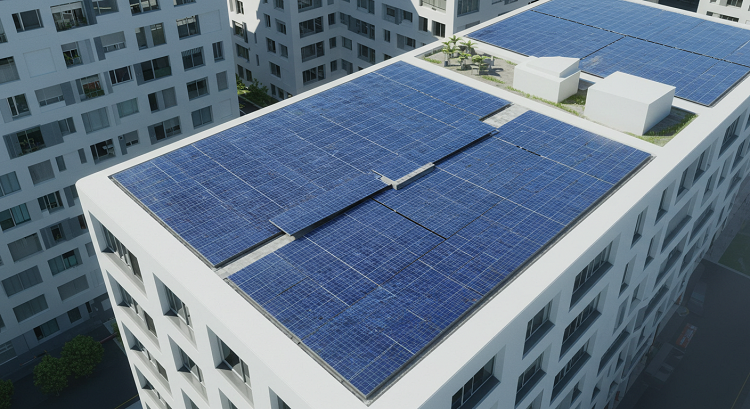
The solar industry is entering a pivotal decade, where technology, policy, and consumer expectations will shape the future of residential energy. Many Freedom Forever reviews emphasize how the company helps homeowners navigate this evolution—offering clarity on system design, installation, and energy savings while supporting long-term confidence in their investment. As the industry embraces smarter technology, battery storage, and data-driven performance, the next ten years will be defined not only by innovation but also by the ability to deliver reliable, user-friendly solar experiences.
Innovation may need to be matched with accountability across the board. From permitting software and advanced inverters to integrated battery storage and AI-driven diagnostics, the technologies on the horizon aim to streamline operations while making solar more reliable for everyday users. The key to success can be ensuring these tools meet real-world needs without adding complexity to the homeowner’s experience.
Focusing on Smart Growth
The coming decade may not just be about faster installations or higher panel efficiency. It can be about smart growth. That means expanding solar responsibly, with systems tailored to local utility conditions and designed to complement long-term grid needs. As electric vehicle adoption increases and heatwaves drive cooling demand, the value of home solar can grow. But only if installations are designed with interoperability and scalability in mind.
Success won’t come from technology alone. Coordination across policy, supply chains, and the labor force is equally important. States that embrace forward-looking grid policies can create fertile ground for clean energy to flourish. Those that don’t may slow the industry’s progress, no matter how advanced the technology becomes.
Innovation Can Demand Cross-Sector Collaboration
Whether it’s the rollout of new solar-plus-storage packages or the development of AI tools for system monitoring, collaboration can shape what innovation actually looks like on the ground. Software teams, solar engineers, utility coordinators, and city planners may need to communicate earlier in the design and permitting stages to avoid installation delays.
System intelligence is improving quickly, allowing for predictive maintenance and real-time performance alerts. But those gains must be paired with a strong human infrastructure. That means expanding the solar workforce with training programs focused not just on installation techniques, but on navigating software platforms, energy management tools, and safety protocols.
Homeowners May Look for Confidence, Not Complexity
As technology improves, education can be essential. The typical homeowner doesn’t want to learn about string inverters or peak shaving. They want to know if their investment is working. Companies that translate technical advancements into clear, simple messaging can help homeowners feel confident about their systems and motivated to refer others.
That is where customer portals, post-install support, and transparent communication can bridge the gap between innovation and trust. Whether it’s an app that tracks system output or a monthly performance summary, these tools can make solar feel less like a mystery and more like a service.
Regulatory Momentum Could Shape the Next Chapter
A major part of the solar story in the 2030s can be written not by engineers but by lawmakers and regulators. Updates to federal investment tax credits, interconnection rules, and net metering policies can play a vital role in determining how quickly solar can grow.
Permitting reform remains one of the industry’s biggest challenges. Reducing paperwork, increasing digital accessibility, and setting clear inspection timelines can shave weeks off projects. Some jurisdictions have made significant progress, but others are still catching up. For real national momentum, consistency across permitting systems can be essential.
Battery Storage May Expand, but Expectations Must Be Managed
The past few years have seen a sharp rise in demand for residential battery storage. Whether driven by blackout concerns, time-of-use rates, or a desire for energy independence, more homeowners are asking about batteries. The next ten years are likely to see wider adoption but also growing pains.
Supply chain constraints, system sizing challenges, and utility approval backlogs can complicate battery installations. It can take industry-wide coordination to ensure that storage options are affordable, reliable, and well-supported post-installation. Setting clear expectations upfront can be as important as technical delivery.
Grid Resilience May No Longer Be Optional
With extreme weather events becoming more common, resilience is now a requirement, not a bonus. Home solar systems, especially when paired with storage, offer localized stability that large-scale grid systems can’t always provide. In places prone to wildfires, hurricanes, or brownouts, this can mean the difference between disruption and continuity.
As grid planners and utility operators adapt to climate challenges, distributed solar can likely play a larger role in grid design. It gives installers a new seat at the table, but also new responsibilities to ensure code compliance, data accuracy, and system durability under stress.
Smarter Sales Processes Can Become the Norm
In the early years, solar sales were often built around door-knocking and general savings pitches. Today’s customers are more informed and skeptical. They expect sales conversations to include detailed site assessments, financial modeling, and answers to nuanced questions.
The industry’s growth can depend on tools that enable smarter, faster, and more transparent sales processes. That includes CRM integrations, automated proposal generators, and real-time utility data access. But it also includes investing in the people behind the process. Training sales teams to educate, not just sell, can lead to higher satisfaction and lower cancellation rates.
Data Can Power the Next Phase of Quality Control
Quality assurance can depend on data as much as artistry. From GPS-tagged site photos and automated inspection checklists to real-time performance alerts, data can play a leading role in identifying issues before they reach the customer.
The challenge lies in integrating these tools without slowing down crews. The most successful innovations can be the ones that feel like support, not surveillance. If frontline teams see value in new tools, they’ll be more likely to use them consistently, and quality can follow.
A Long-Term View of Growth
The next decade can require the solar industry to grow, not just in volume but also in responsibility. Growth must come with quality, communication, and customer support baked in from the start. It’s no longer enough to sell and install quickly. The standard now includes guidance, follow-through, and longevity. That means greater peace of mind for homeowners. For the industry, it means building an infrastructure that can last, not just a pipeline that sells.
Freedom Forever reviews solar options with homeowners, offering insights into system design, savings, and installation choices. As innovation reshapes the energy landscape, the challenge and opportunity are to grow smarter, communicate more clearly, and deliver solar that meets the moment every time.